


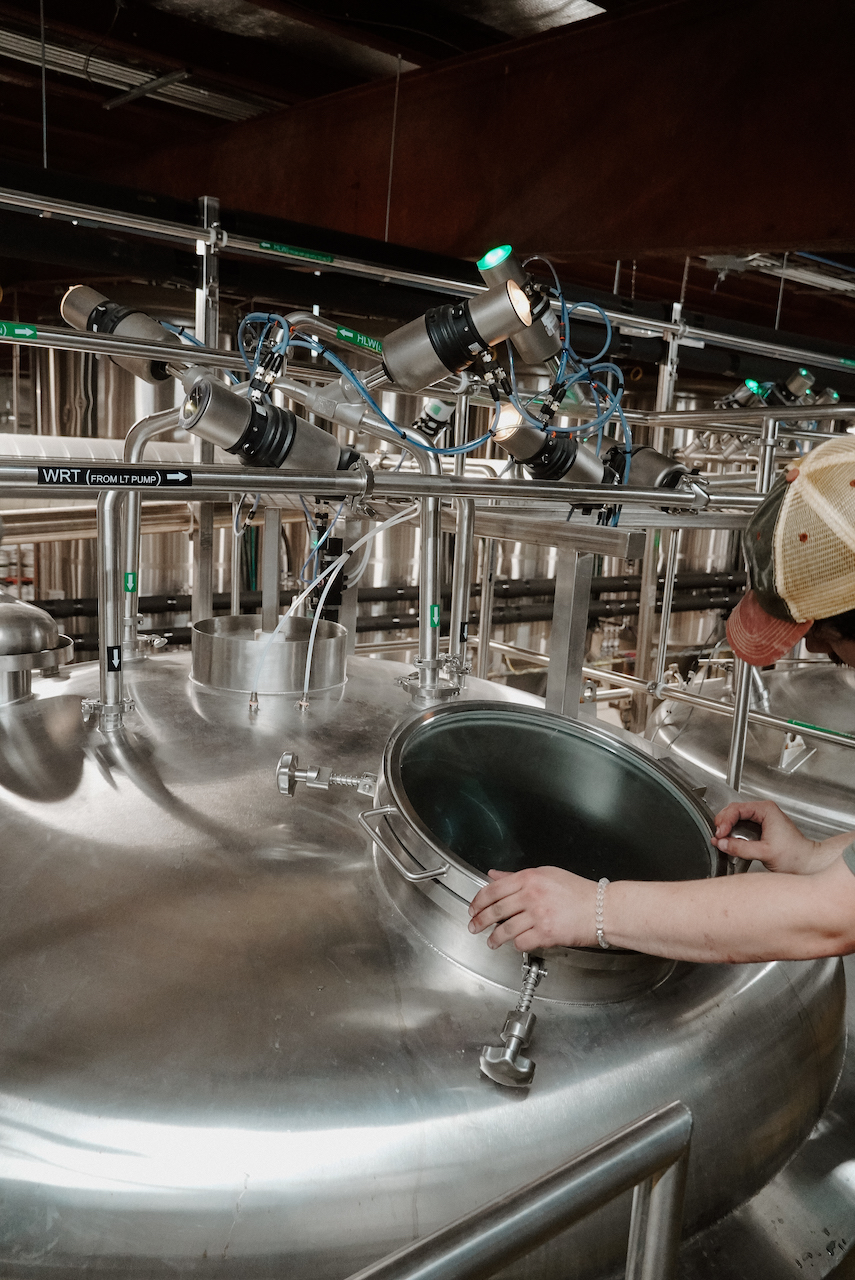
Ever heard of Kräusening? If you’re not a brewer, probably not. But around here, it’s kind of a big deal. It’s one of those old-school brewing traditions that separate the good from the great. The word itself sounds fancy and mysterious (it’s German, after all), but the idea is beautifully simple: we take a little bit of actively fermenting wort — that’s unfermented beer, bubbling away with yeast — and add it back into the finished brew.
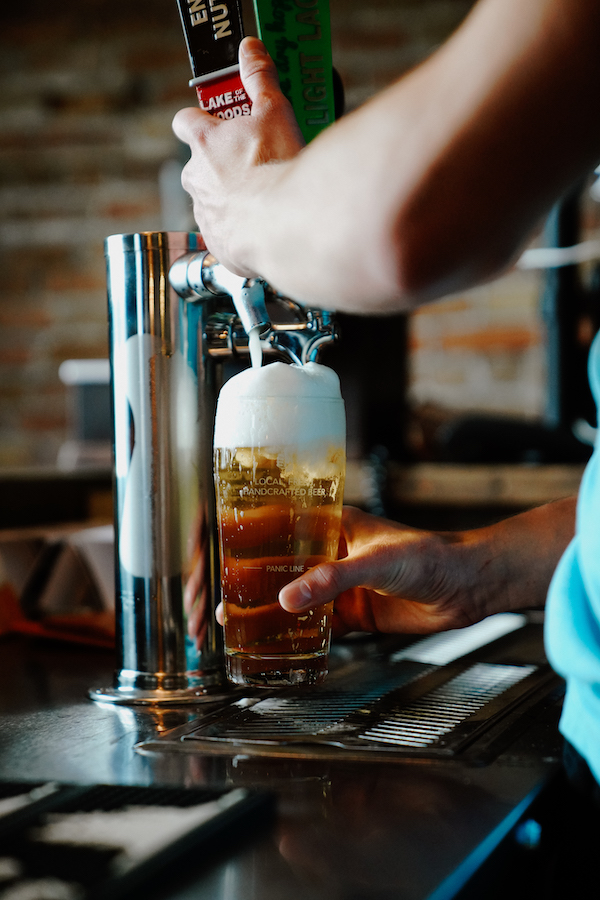
Why go through all that extra effort? Because good beer deserves it.
Instead of using forced carbonation like most “commercial” beers, Kräusening lets nature do the work. The yeast in that fresh wort eats up the remaining sugars and naturally carbonates the beer, creating those soft, fine bubbles that make every sip feel smooth and lively. It’s the kind of carbonation that dances on your tongue instead of punching you in the face.
But that’s not all it does. While it’s busy creating those perfect bubbles, the process also helps clean up unwanted by-products from primary fermentation — things that can add off-flavors or heaviness to the beer. The result is a cleaner, crisper, all-natural brew that just tastes right.
Kräusening takes patience, precision, and a love for tradition. It’s not the easy way, but it’s the better way. And when you crack open a bottle that’s been conditioned this way, you can taste the difference — a beer that’s bright, balanced, and full of character.
In short: Kräusening makes really, really good beer.
